Rome wasn’t built in a day, but you could spend a lifetime exploring it and still miss the real Italy. While the Eternal City captivates millions with its Colosseum and Vatican grandeur, some of Italy’s most enchanting experiences lie hidden in medieval hill towns, coastal villages, and mountain hamlets that few tourists ever discover.
These lesser-known destinations offer something Rome can’t: authentic Italian life without the crowds, affordable accommodations, and the chance to be the only foreigner at a local trattoria. Here are the hidden Italian towns that might just make you reconsider that Roman holiday.
Matera: The Ancient Stone City
Long before Rome rose to power, people carved homes into the rocks of Matera. This Basilicata town features sassi (stone dwellings) that date back 9,000 years, making it one of the world’s oldest continuously inhabited settlements. Walking through Matera feels like stepping onto a film set—because it often is. The city has doubled for ancient Jerusalem in multiple productions.
Unlike Rome’s tourist-packed historical center, Matera’s cave dwellings and Byzantine churches offer a slightly more intimate exploration. You can stay in converted cave hotels, dine in restaurants carved into cliffsides, and wander cobblestone paths with barely another soul in sight. The town’s transformation from poverty to UNESCO World Heritage Site represents one of Italy’s most remarkable comebacks.
Civita di Bagnoregio: The Dying Town
Perched atop a crumbling volcanic plateau in Lazio, Civita di Bagnoregio earns its nickname il paese che muore (the dying town) honestly. Erosion threatens this 2,500-year-old Etruscan settlement, accessible only by a narrow pedestrian bridge. Only about a dozen residents remain permanently, creating an otherworldly atmosphere of beautiful decay.
The town’s isolation preserves its medieval character perfectly. Stone archways frame views of the surrounding valley, family-run restaurants serve homemade pasta, and the pace of life moves at a medieval crawl. Visit during weekdays to avoid day-trippers from Rome, and you’ll understand why this vanishing village captures imaginations worldwide.
Alberobello: The Trulli Capital
In Puglia’s Itria Valley, Alberobello presents a landscape unlike anywhere else in Italy. Over 1,400 trulli—whitewashed limestone dwellings with conical roofs—cluster together like a village of hobbit homes. These unique structures, built without mortar using prehistoric construction techniques, transform the entire town into an architectural wonderland.
The trulli zone offers boutique accommodations where you can sleep under a cone-shaped ceiling, browse artisan shops selling local crafts, and taste Pugliese cuisine that Rome’s restaurants rarely replicate. The surrounding countryside produces exceptional wines and olive oils, making Alberobello an ideal base for culinary exploration.

Castelmezzano: Mountain Drama
Dramatically wedged into the Dolomiti Lucane mountains, Castelmezzano clings to rocky peaks like an eagle’s nest. This tiny Basilicata village of just 800 residents offers adventure tourism that contrasts sharply with Rome’s museum-hopping. The Volo dell’Angelo (Flight of the Angel) zipline connects Castelmezzano to neighboring Pietrapertosa, sending brave souls soaring over the valley at speeds up to 120 kilometers per hour.
Beyond the adrenaline rush, Castelmezzano’s stone houses and narrow staircases create an intimate mountain village atmosphere. Local restaurants serve lagane e ceci (pasta with chickpeas) and other Lucanian specialties while providing panoramic views that no Roman rooftop can match.
Orta San Giulio: Lakeside Serenity
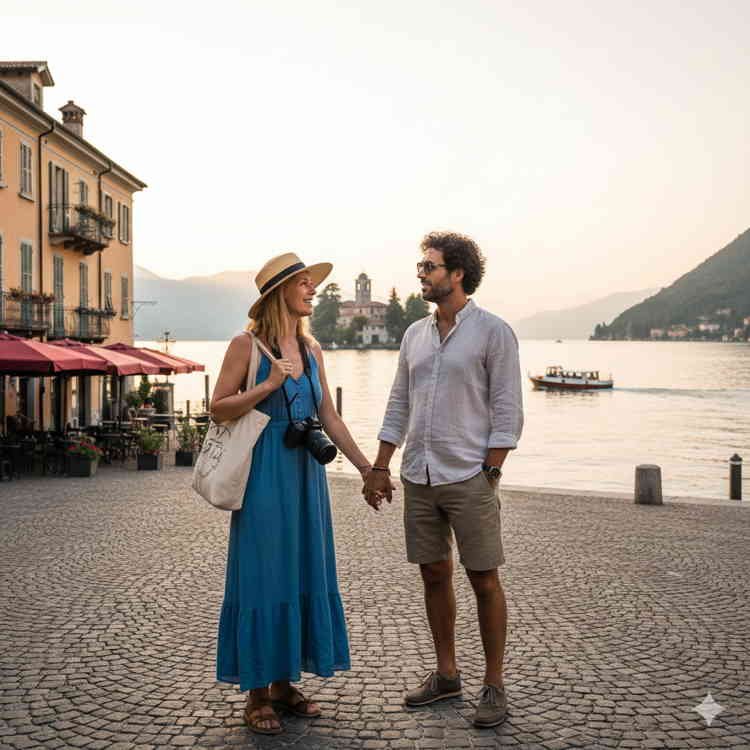
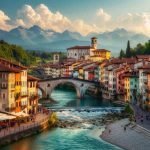
While tourists flock to Lakes Como and Garda, Lake Orta in Piedmont remains blissfully undiscovered. The medieval village of Orta San Giulio wraps around the lake’s eastern shore, its cobblestone square (Piazza Motta) opening onto tranquil waters and the tiny island of San Giulio.
This car-free village invites leisurely strolls through frescoed alleyways, boat rides to the mystical island monastery, and sunset aperitivos overlooking the Alps. The surrounding region offers hiking trails, local markets, and a peaceful rhythm that feels worlds away from Rome’s chaos. Writers and artists have long sought inspiration here, and a single afternoon explains why.
Why Skip Rome?
Rome demands your attention, patience, and wallet. Long lines, inflated prices, and overwhelming crowds can exhaust even enthusiastic travelers. These hidden towns offer the opposite: spontaneity, value, and space to breathe.
You’ll practice Italian with locals rather than multilingual tour guides. You’ll taste regional dishes that reflect centuries of local tradition rather than tourist-pleasing adaptations. You’ll discover that Italy’s greatest treasure isn’t any single monument but the country’s incredible diversity—from mountain villages to coastal hamlets, cave dwellings to fairy-tale trulli.
Rome will always be there, magnificent and eternal. But these hidden towns might not. Climate change, erosion, and depopulation threaten many small Italian communities. Visiting now means experiencing authentic Italy while supporting the local economies that keep these villages alive.
Sometimes the best way to see Italy isn’t by following millions of tourists to the Trevi Fountain. It’s by taking the road less traveled to towns where la dolce vita isn’t a tourist attraction—it’s simply life.
If you found this article useful, don’t forget to share it with the world and to like our Facebook Page!
Credits:
Image by Gemini
 Italian Family Dynamics: Surviving Your First Sunday Lunch