Italy is best known for its breathtaking art, architecture, and food, but behind its postcard-perfect villages and sunlit piazzas lies a shadowy side full of ghost stories, strange disappearances, and cursed ruins. Whether you’re a paranormal enthusiast or simply curious about the supernatural, here are some of the most haunted towns in Italy that are sure to give you chills.
1. Poveglia Island (Venice Lagoon, Veneto)
Though technically an island and not a traditional town, Poveglia is often considered the most haunted location in Italy. Used as a quarantine zone for plague victims and later as a mental asylum, thousands died on this tiny island.
“L’isola di Poveglia è maledetta.” — “Poveglia Island is cursed.”
Many believe the soil is mixed with the ashes of the dead, and the island has been officially closed to visitors for decades. Legend says you can still hear screams and see ghostly figures wandering the decaying buildings.
2. Triora (Liguria)
Known as il paese delle streghe (the town of witches), Triora is infamous for its 16th-century witch trials. Dozens of women were accused, tortured, and killed here under the suspicion of witchcraft.
“Le streghe di Triora sono ancora tra noi” — “The witches of Triora are still among us.”
Today, Triora embraces its spooky legacy with a Witchcraft Museum and an annual witches’ festival. Visitors report eerie feelings and mysterious sounds in the ancient alleys.
3. Castello di Montebello and Azzurrina (Emilia-Romagna)
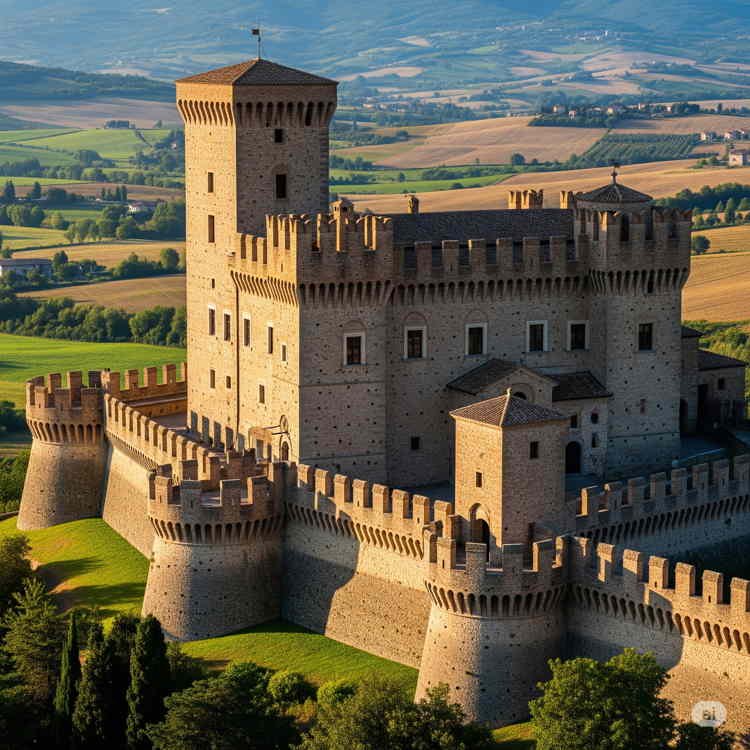
In the Montebello Castle near Rimini, legend tells of a young albino girl named Azzurrina who vanished mysteriously in 1375. Despite extensive searches, her body was never found.
“Azzurrina piange ogni solstizio” — “Azzurrina cries every solstice.”
Every five years on the summer solstice, strange sounds are recorded within the castle. Paranormal experts have investigated the phenomenon, and no logical explanation has been found.
4. Balestrino (Liguria)
Abandoned in the mid-20th century due to landslides, Balestrino is a beautifully eerie ghost town. The intact ruins and overgrown paths make it feel frozen in time.
“Balestrino è rimasta intrappolata nel passato” — “Balestrino remains trapped in the past.”
Visitors report hearing footsteps and whispers, though no one else is around. Some claim to see shadows darting between buildings.
5. Craco (Basilicata)
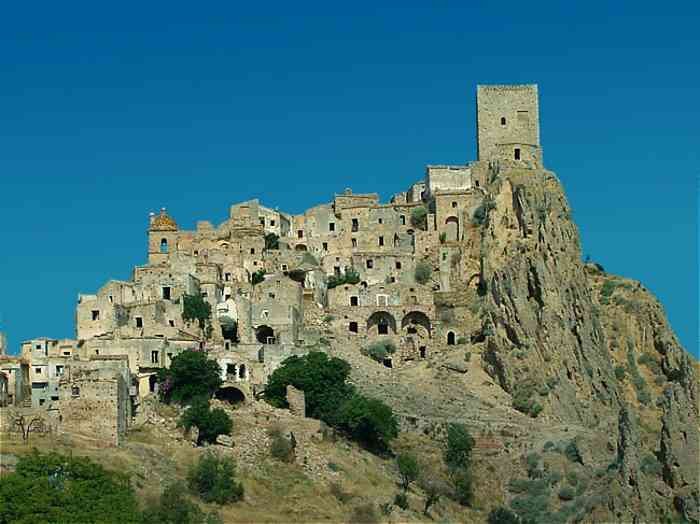
Another abandoned gem, Craco was evacuated after earthquakes and landslides in the 1960s. Today, it’s a ghost town used in several films, but many believe the spirits of past residents never left.
“Gli spiriti di Craco vegliano sulle rovine” — “The spirits of Craco watch over the ruins.”
People report feelings of unease and sightings of ghostly figures, especially in the old church and monastery.
6. Colobraro (Basilicata)
Called “the unluckiest town in Italy,” Colobraro is so feared that some Italians avoid saying its name, referring to it simply as quel paese (that town).
“Non nominare mai Colobraro di notte” — “Never say Colobraro’s name at night.”
Tales of curses, mysterious accidents, and inexplicable deaths have haunted the town for generations. Even TV crews have reported strange malfunctions while filming here.
7. Calcata (Lazio)
Perched atop a volcanic cliff, Calcata was nearly abandoned in the 20th century due to safety concerns. Artists and bohemians later repopulated it, but rumors of sorcery and ghostly presences persist.
“A Calcata, il confine tra il reale e l’occulto è sottile” — “In Calcata, the boundary between reality and the occult is thin.”
The medieval village is often described as mystical and dreamlike, with frequent mentions of rituals and spirits by locals and visitors.
Conclusion
Italy’s haunted towns aren’t just places to visit—they’re gateways into a darker, lesser-known part of Italian culture and folklore. Whether you’re fascinated by ghosts, intrigued by historical mysteries, or just looking for an unforgettable travel experience, these towns offer stories that will stay with you long after you’ve left.
Credits:
Image by Gemini
 Untranslatable Charm: Four Unique Italian Words You Need to Know