Visiting Italy is a dream for many travelers. From Roman ruins to Tuscan hills, the country is breathtaking. But if you want to blend in Italy like a local, you need to understand that small habits can immediately mark you as a tourist—how you order coffee, dress, eat, or even speak.
In this guide, we’ll explore 10 cultural differences in Italy that make foreigners stand out and give you tips on how to avoid them, so you can experience Italy authentically.
Why Understanding Cultural Differences in Italy Matters
Italy is not just about monuments and landscapes; it’s about lifestyle, manners, and Italian customs. Ignoring these can make you look like a tourist immediately. By learning small habits and cultural rules, you’ll enjoy richer experiences and connect better with locals.
1. Ordering Coffee Like a Local (Not a Starbucks Tourist)
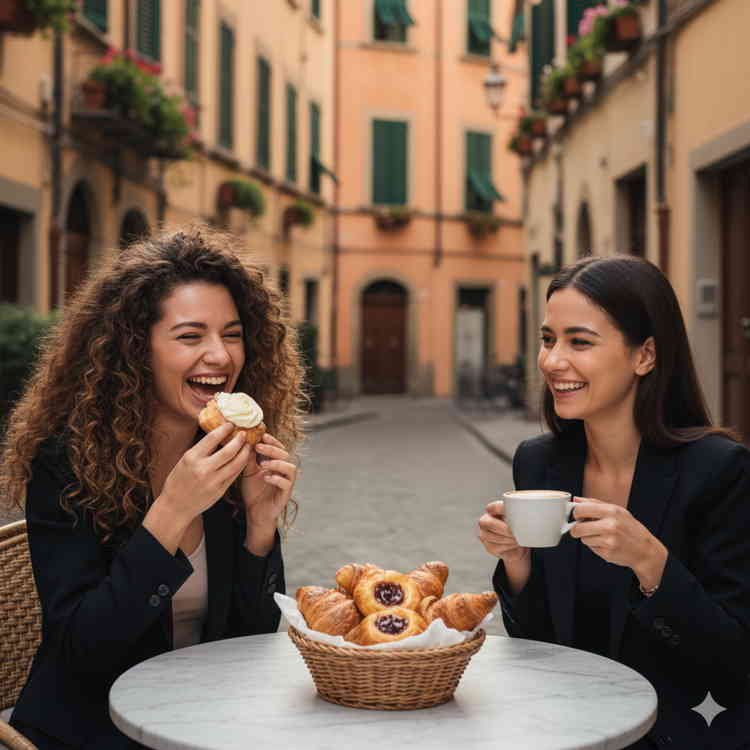
In Italy, coffee culture is sacred. Forget venti caramel lattes—ordering anything larger than a cappuccino will raise eyebrows. Italians usually drink espresso (un caffè) or a small cappuccino in the morning. Never ask for a cappuccino after 11 a.m.—locals consider it unusual (but I’m an exception).
Tip: Stick with espresso (un caffè) during the day.
Example: “Vorrei un caffè, per favore.”
(“I’d like an espresso, please.”)
2. Dressing for Style, Not Just Comfort
Italians value la bella figura—looking good is part of the culture. Tourists often wear baggy shorts, flip-flops, or gym clothes while sightseeing. Locals, even casually dressed, are polished: neat jeans, leather shoes, or a simple but elegant dress.
Tip: Dress comfortably but stylishly.
Example: “Oggi indosso un paio di jeans e una camicia elegante.”
(“Today I’m wearing jeans and a nice shirt.”)
3. Eating at Italian Meal Times (Avoid Tourist Traps)
Italian meal times are different from region to region. Lunch is usually around 12–2 p.m., and dinner around 7:30-8 p.m. Tourists who eat at 6 p.m. immediately stand out.
Tip: Adjust to Italian meal times.
Example: “Andiamo a cena alle otto, come fanno gli italiani.”
(“Let’s have dinner at eight, like Italians do.”)
4. Speaking Loudly: How to Blend In
Italians are expressive, yes, but the volume is moderate in public spaces. Tourists often speak too loudly, drawing attention.
Tip: Lower your voice on trains, buses, and restaurants.
Example: “Parla piano/Abbassa la voce.”
(“Speak quietly/Lower your voice”.)

5. Coffee Etiquette at the Bar (Al Banco)
Most locals drink coffee standing at the counter (al banco) instead of sitting for half an hour. Tourists with laptops or long cappuccino breaks mark themselves instantly.
Tip: Order, drink, and go. Table service costs more.
Example: “Un espresso al banco, per favore.”
(“An espresso at the counter, please.”)
6. Stop Overusing “Mamma Mia!”: Real Italian Expressions
Hollywood exports mamma mia! as “Italian,” but locals rarely say it. Try authentic expressions like:
- Ma dai! (“come on!”)
- Oddio! (“oh my God!”)
- Che figata! (“how cool!”)
Tip: Sprinkle in a few real Italian idioms to sound natural.
Example: “Ma dai, non ci posso credere!”
(“Come on, I can’t believe it!”)
7. Respecting Personal Space in Lines
Italians respect an unspoken order in queues. Tourists who cut in or stand too far away look out of place.
Tip: Observe locals and follow their rhythm.
Example: “Aspettiamo il nostro turno in fila.”
(“Let’s wait for our turn in line.”)
8. Splitting the Bill the Italian Way
In Italy, one bill per table is standard. Tourists who insist on individual receipts may confuse the waiter.
Tip: One person pays, others reimburse later.
Example: “Paghiamo insieme e poi ci aggiustiamo.”
(“We’ll pay together and then split it later.”)
9. Understanding the Coperto Charge
Coperto is a small cover charge on your bill that includes bread and table service. It’s traditional, not a scam.
Tip: Don’t argue—it’s part of Italian dining culture.
Example: “Il coperto è incluso, quindi non c’è da preoccuparsi.”
(“The cover charge is included, so there’s no need to worry.”)
10. Using Italian Phrases Instead of Only English
Assuming everyone speaks English will make you stand out. Even learning simple phrases like:
- Per favore (“please”)
- Grazie (“thank you”)
- Buongiorno (“good morning”)
shows respect and smooths interactions.
Tip: Use Italian whenever possible.
Example: “Buongiorno! Vorrei un gelato, per favore.”
(“Good morning! I’d like a gelato, please.”)
Final Thoughts: How to Blend In and Experience Italy Like a Local
Looking like a tourist isn’t a crime, but understanding cultural differences in Italy enriches your experience. Italians are warm and welcoming, but respecting local customs earns genuine smiles.
Next time you’re in Italy, skip the 6 p.m. cappuccino, put on stylish shoes, and order your espresso al banco. You’ll experience Italy not as an outsider, but as someone who truly understands the local rhythm of life.
If you found this article useful, don’t forget to share it with the world and to like our Facebook Page!
Credits:
Image by Gemini



 Discover the Italian Idioms Native Speakers Actually Use (Not the Tourist Brochure Ones)