Italian is a beautiful and expressive language, filled with idioms and sayings that add color and nuance to everyday conversations. So, understanding and using these Italian idioms and expressions correctly will help you sound more natural and fluent. a. In bocca al lupo Literal translation: In the mouth of the wolf This idiom is used …
My Blog
Ten False Cognates (False Friends) between English and Italian

As you’re learning Italian, you’ll quickly notice many words that look similar to English. This is thanks to both languages sharing Latin roots. These words, known as cognates, can be helpful because they look and sound familiar. However, not all similar-looking words share the same meaning! Some words, called false cognates or false friends, might …
Ten False Cognates (False Friends) between English and ItalianRead More
Cividale del Friuli: An Unknown Italian Gem

If you’re learning Italian and interested in exploring Italy beyond the well-known tourist destinations, there’s an Italian gem waiting for you: Cividale del Friuli. Located in the northeastern region of Friuli-Venezia Giulia, Cividale is an ancient town with a rich history, beautiful architecture, and a serene atmosphere, making it a perfect spot for those who …
What’s the difference between the Italian verbs: Finire, Fermare, and Smettere?
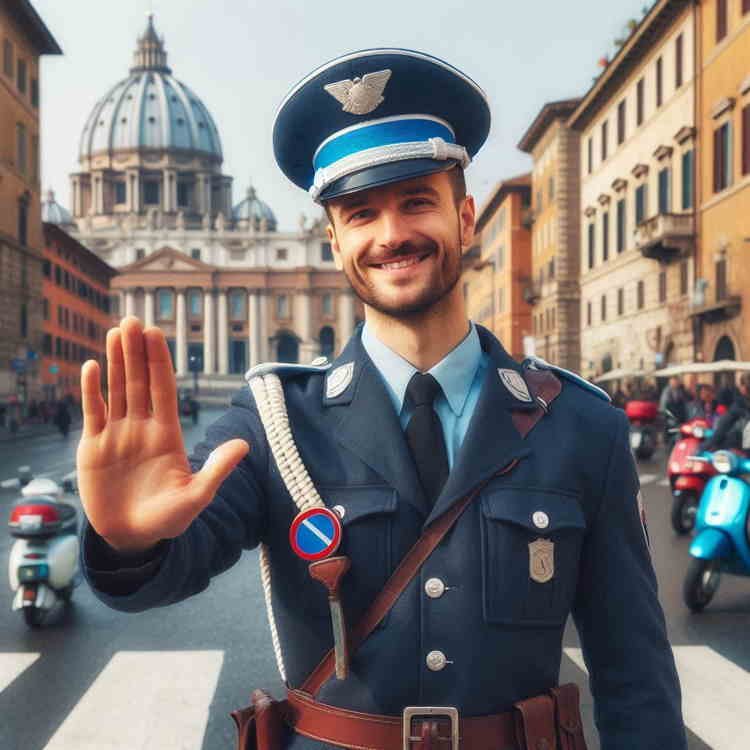
As a learner of Italian, you may find yourself wondering about the differences between the verbs finire, fermare, and smettere. These three Italian verbs can be confusing because they all relate to the idea of stopping or ending something. However, they each have distinct meanings and are used in different contexts. In this article, we …
What’s the difference between the Italian verbs: Finire, Fermare, and Smettere?Read More
Six common Italian Social Customs

When learning Italian as a second language, understanding the social customs behind the words is just as important as mastering vocabulary and grammar. Italian culture places a strong emphasis on how you interact with others, including the way you greet people, express politeness, and navigate the balance between formality and informality. These cultural norms will …